Swedenborgsgatan
This is a guest post by Irena Toljan. It first appeared in her newsletter The Third Place on August 25, 2026. She is also on Instagram.
Last time we talked about Rörstrandsgatan, and now we are jumping back into the heart of Södermalm island to talk about Swedenborgsgatan!
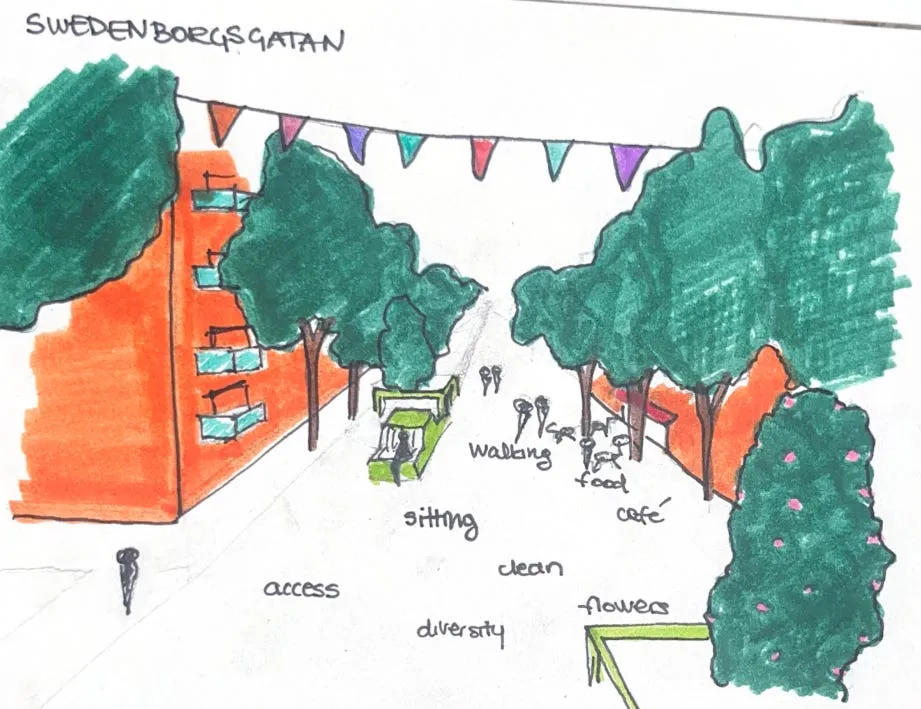
Swedenborgsgatan connects Mariatorget to Södra station, serving a dense mix of 27,000 residents and 35,000 workers within a 500-meter radius. Its transformation into a pedestrian-friendly street has delivered impressive results:
- The restaurant sector grew by 60%, while traditional retail decreased by 60%, showing a shift toward lively, service-focused businesses.
- Workplaces increased by 14%, employment rose by 40%, and now 77% of businesses are restaurants.
- Community Approval: 88% of locals rate the initiative as very good, 97% feel safe during the day, and 90% at night. There is strong demand for more seating, activities, and artistic touches (source 4).
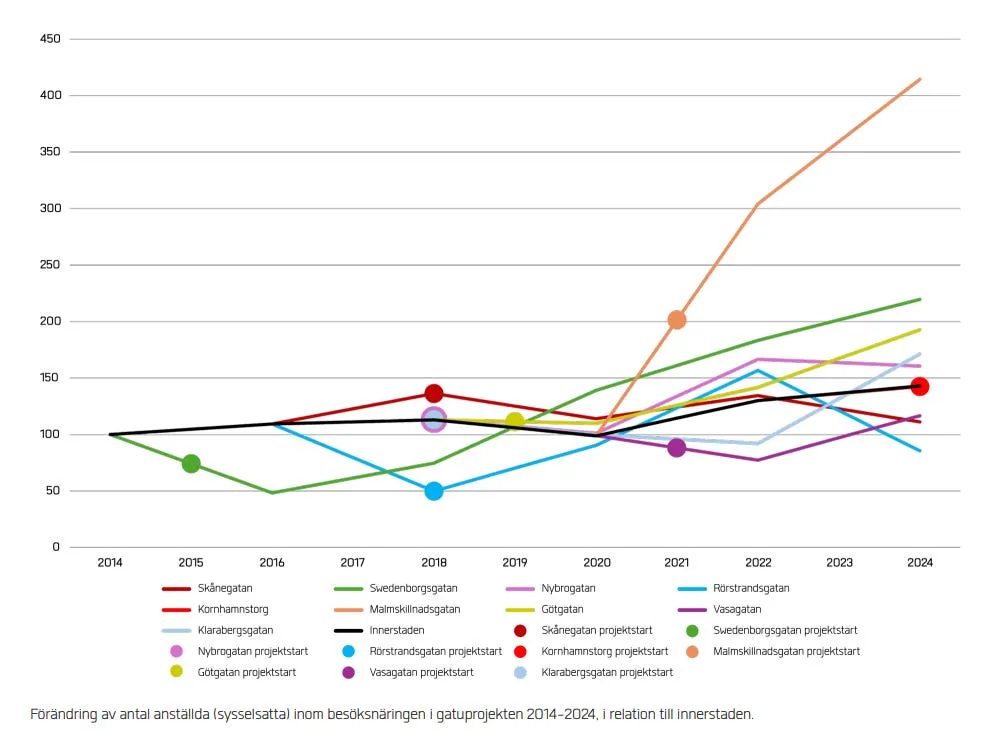
Change in the number of employed people on different streets. Malmskillnadsgatan and Swedenborgsgatan have created much more employment in recent years (source 4).
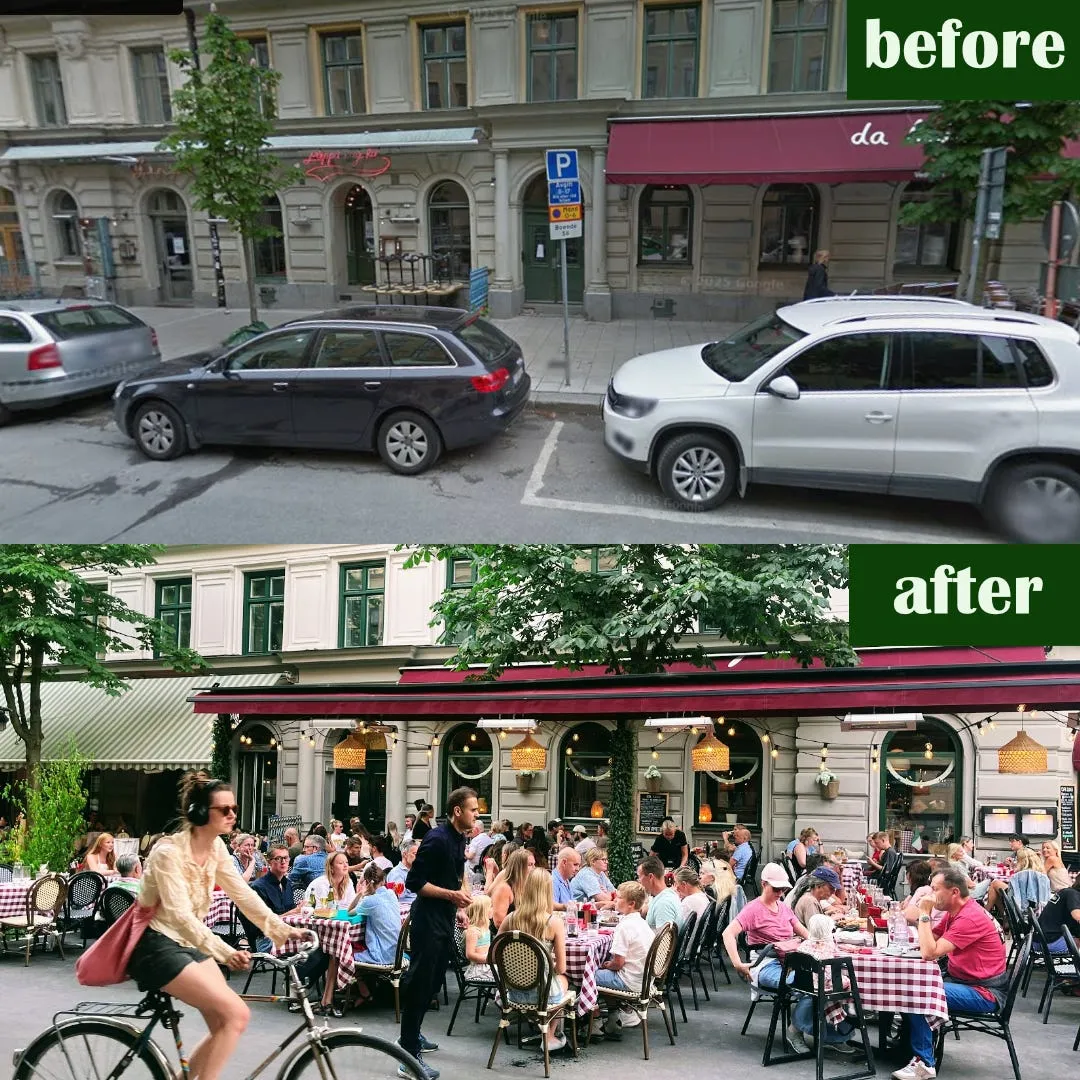
Before and after Swedenborgsgatan
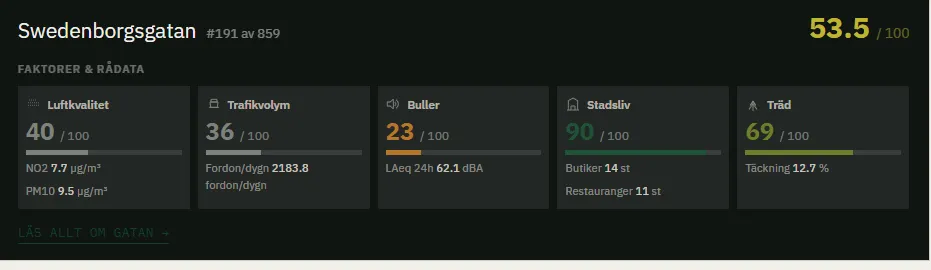
Statistics from the street league
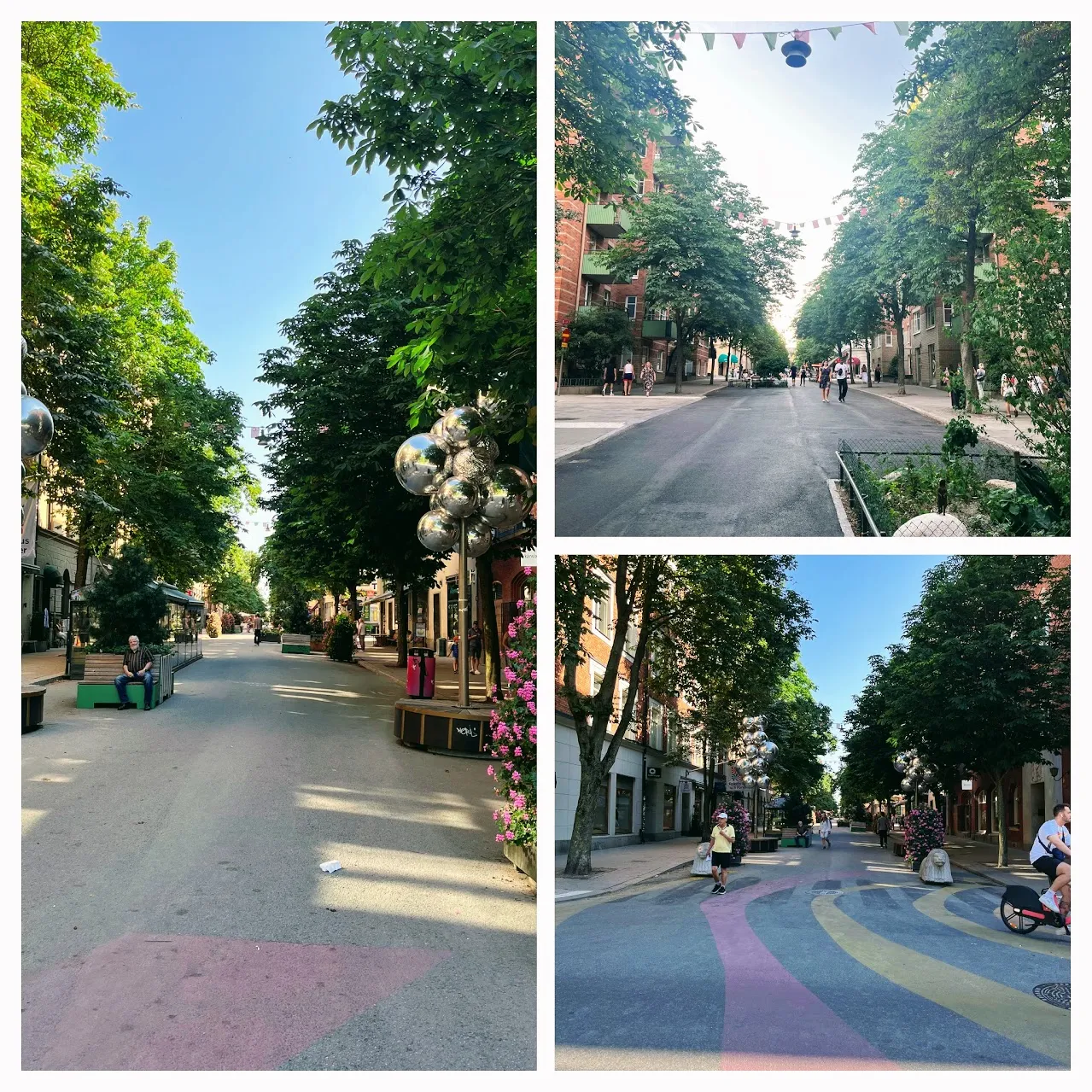
Challenges
Outdoor seating seems like an ideal addition for a restaurant on this street. Well, it comes with certain challenges. I contacted Dryck Vinbar and talked to the owner, Carro, who opened my eyes. She decided to turn an ecological grocery store into a wine bar in 2016. She agrees that summer streets bring more people and make the surroundings more livable. Before that, this was a normal street, but not the one people would remember. In 2018, they added simple outdoor seats. In 2020, when COVID started and people wanted to stay in open, airy spaces, they needed better outdoor seating. It was hard and costly, but they could get permission to build the glass tent, so they decided to do it. These interventions turned streets into destinations. But there is a catch.
Whenever the Stockholm traffic office needs to work on the street, they have to take down the tent, remove the glass, and store it elsewhere. This all costs about 100,000 SEK, and the traffic office can request it whenever they please. This is ridiculous. Is this how the city is punishing every local business that makes the street more livable? They also needed to isolate their ceiling on their own to make neighbors happy. It’s in the city’s interest to benefit from livability. They also tried to run their own events, even pairing up with a local second-hand shop and another wine bar, Racamaca, on the street next door, but it was impossible to do anything concrete since you cannot serve alcohol on the street. Nice way to kill any spontaneity. This rule is so absurd that the owner told me that if someone wants to move from the bar to the outdoor seating, the staff must carry their alcohol.
Oh, these two meters of sidewalk are apparently where Stockholm’s Stad believes a great war of alcoholics will break out. Strange how, in Gothenburg, this problem simply disappears.
I had some general questions, and we agreed that there isn’t much street bike parking, which could bring more guests. People often complain about summer street logistics and that it is impossible to have deliveries properly. According to Carro, deliveries happen during the day, and she hasn’t noticed any issues.
I’m beginning to see why summer streets work better for big chains, as I mentioned earlier.
- 70–80% of business owners admit their area improved post-makeover, though chains are sneaking in faster than locals.
They can afford to deal with whatever the city asks, but that can really hurt small businesses. I’ll look into this more. I shared the problem with the Gatupotential authors and will see if we can push for rule changes or get the city to see the problem.
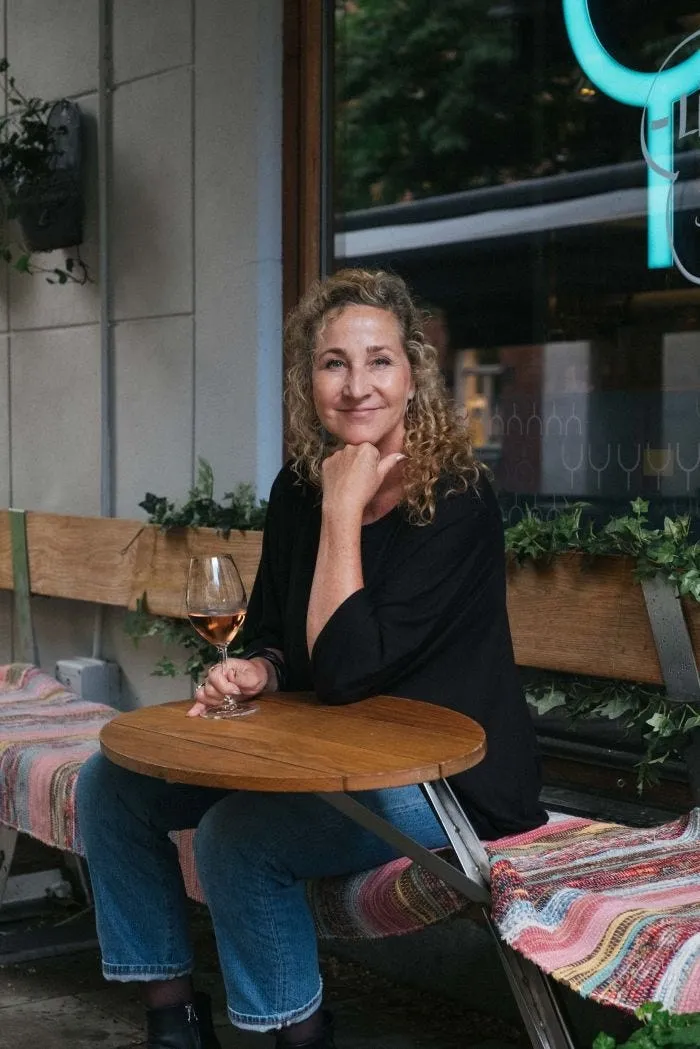
Carro Tallving, owner of Dryck Vinbar. Photo: Malin Fränberg.
Street’s economy
When you read the Gatupotential report, you might think this street is economically thriving. Then you hear stories like this and start to dig into Alla Bolag, a website where you can check how much companies earn in Sweden. It seems like small businesses are struggling, but one pizza place is doing well.
Dryck Vinbar is definitely struggling, and making them remove and mount the outdoor seating again is basically destroying their economy. Forcing them to remove the seating just once would cut their earnings by half at the end of the year.
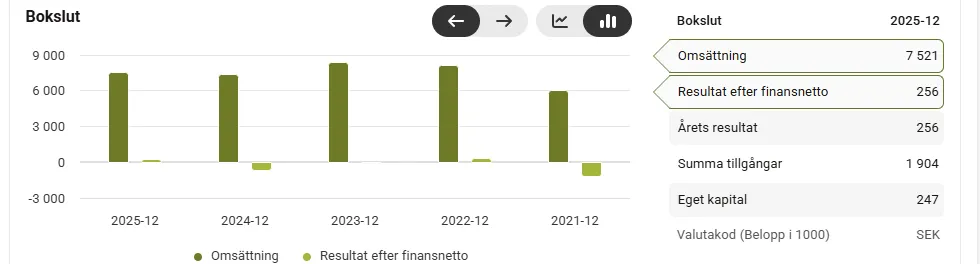
Morfar Ginko is a pizza restaurant that’s struggling to stay afloat in recent years.
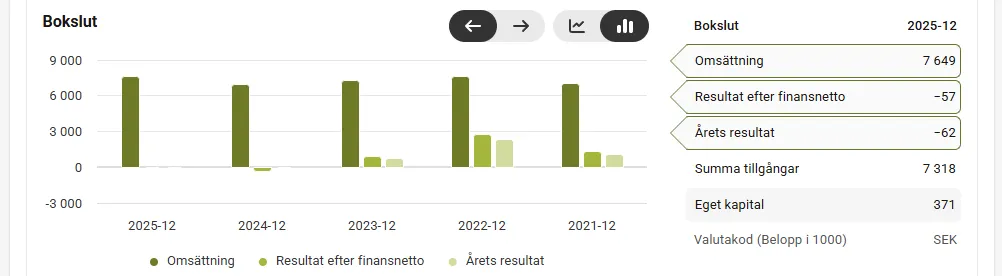
But Da Luigi next door is a pizza place that is pretty much thriving, keeping 4.8 million in their pockets per year!
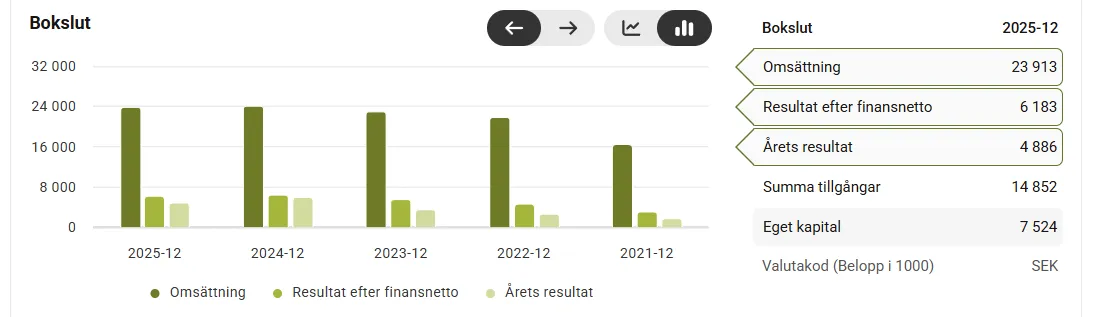
I will need to analyze more locations on this street, but I feel we are getting somewhere.
Swedenborgsgatan shows how putting pedestrians first can improve a street. The area feels lively and safe, and most people feel comfortable at any hour. Still, these positive changes come with challenges for small businesses like Dryck Vinbar. City rules, such as removing outdoor seating or banning alcohol service on the sidewalk, can hurt the businesses that make the street appealing.
Dunka dunk fund
Luckily, when it comes to noise, Stockholm is finally waking up. Stockholm’s Chamber of Commerce welcomes the city’s proposal for a “dunka-dunk” support fund, a 10-million SEK initiative aimed at helping music venues, clubs, and restaurants manage noise complaints and soundproofing costs. Over the past few years, noise issues have become a growing financial burden for Stockholm’s cultural and nightlife scenes, with even minor complaints triggering costly investigations and renovations. The proposed fund aligns with the Chamber’s 2025 report, “World’s Most Fun City,” which included 56 suggestions to boost Stockholm’s vibrancy.
Frans Elinder, an urban development expert at the Chamber, emphasizes that such support would reduce conflicts, encourage cultural growth, and help Stockholm compete with cities like Amsterdam and Berlin, where similar initiatives have already strengthened nightlife. The Chamber advocates a simple, reliable, long-term fund to help more venues thrive in a dense city while maintaining good relations with neighbors. This step is seen as essential for fostering a lively, competitive, and culturally rich Stockholm (source 14).
Economic data shows that while some businesses do well, others struggle. Small businesses are not having a fun time. Yes, the concept of summer streets definitely works, but now we need to zoom in and help small businesses. The city should help local entrepreneurs who make our streets lively. I hope the Dunka dunk fund is a good start.
Sources
- Admin (2024). Cyclists and Pedestrians Contribute Significantly to City Centre Spending. Dutch Cycling Embassy. Accessed 27 July 2026.
- Debattredaktionen (2026). Låt fakta och inte magkänsla styra stadsutvecklingen. Dagens industri. Accessed 27 July 2026.
- The Power of 10+. Project for Public Spaces. Accessed 27 July 2026.
- Gatupotential (2025–2026). Spacescape. Accessed 27 July 2026.
- Ny bryggpromenad och upprustad strandpark på Bergsunds strand (2026). Stockholms stad. Accessed 28 July 2026.
- Munkbrohamnen. Visit Stockholm. Accessed 28 July 2026.
- Miljöpartiet Stockholms stad on Instagram: “Sommargågatan Rörstrandsgatan är ett av Stockholms livligaste stråk som 12 000 personer passerar varje dag.” (2025). Instagram.
- Rörstrandsgatan blir gågata året om (2026). Stockholms stad. Accessed 28 July 2026.
- Levande Stockholm 2018: Resultatrapport. Stockholms stad. Accessed 28 July 2026.
- En del av Hornsgatan blir gågata året om (2026). Stockholms stad. Accessed 28 July 2026.
- Sommargågata (2026). Solna stad. Accessed 28 July 2026.
- Trots utslaget Sverige: här fortsätter VM-festen (2026). Mitt i. Accessed 28 July 2026.
- Saber, Joanna (2017). En plats att vara på: den tillfälliga gågatans inverkan på Stockholms stads- och näringsliv. Master’s thesis, KTH School of Architecture and the Built Environment.
- Stockholms Handelskammare välkomnar stöd för ljudisolering och kulturliv i Stockholm (2026). Stockholms Handelskammare. Accessed 21 August 2026.
Read next
The Dark Side of Data and Conclusion
The last part of the summer street series takes a critical look at the Gatupotential report's numbers, with Malmskillnadsgatan as the oddball, and sums up what makes a summer street work. A guest post by Irena Toljan on overhyped data with holes.
9 min readThe Rest: Summer Streets with Untapped Potential
Not every summer street in Stockholm is a roaring success. A guest post by Irena Toljan on five summer streets that fall short, from Nybrogatan's traffic chaos to a deserted Kista torg, and what could fix them.
8 min readCentralvägen (Solna)
Centralvägen in Solna closed one side of the road for the summer and became a meeting place with play areas, outdoor dining and World Cup screenings. A guest post by Irena Toljan on why this suburban summer street wins in her book, and what it got wrong with bike parking.
4 min read