Car-free: before and after
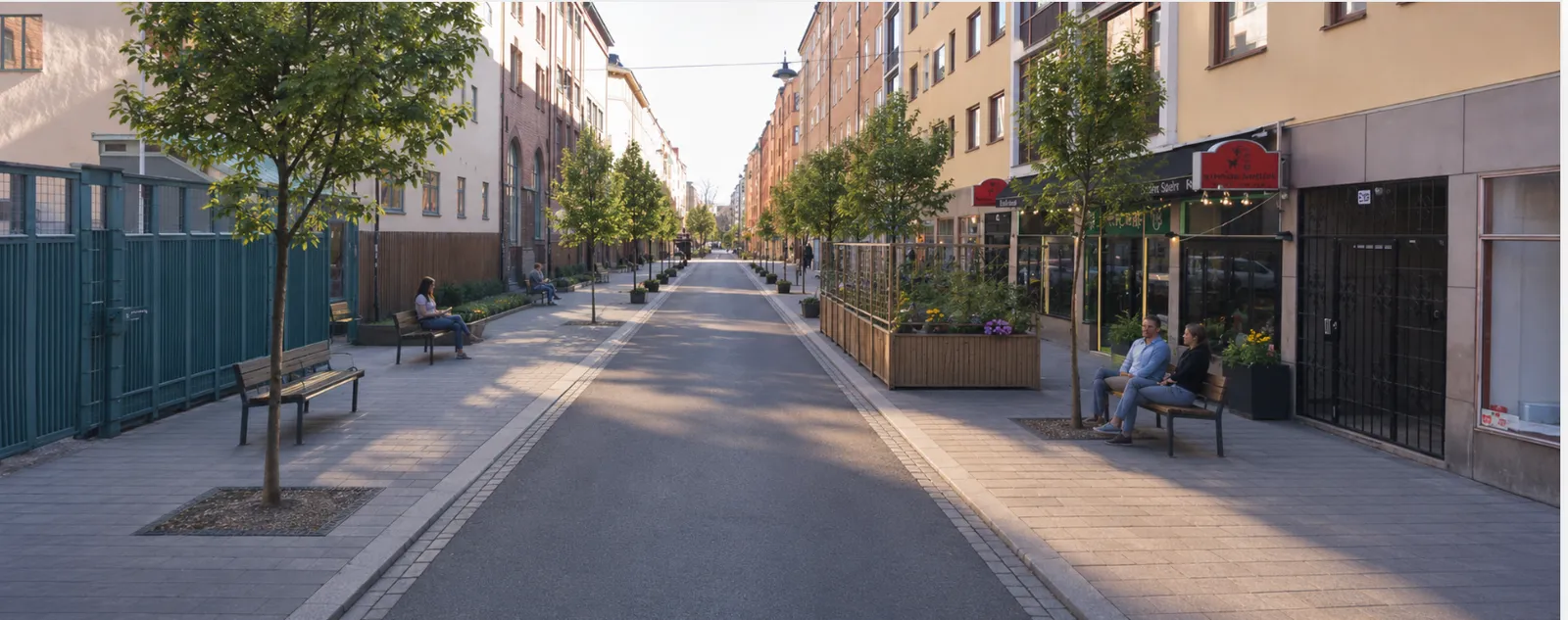
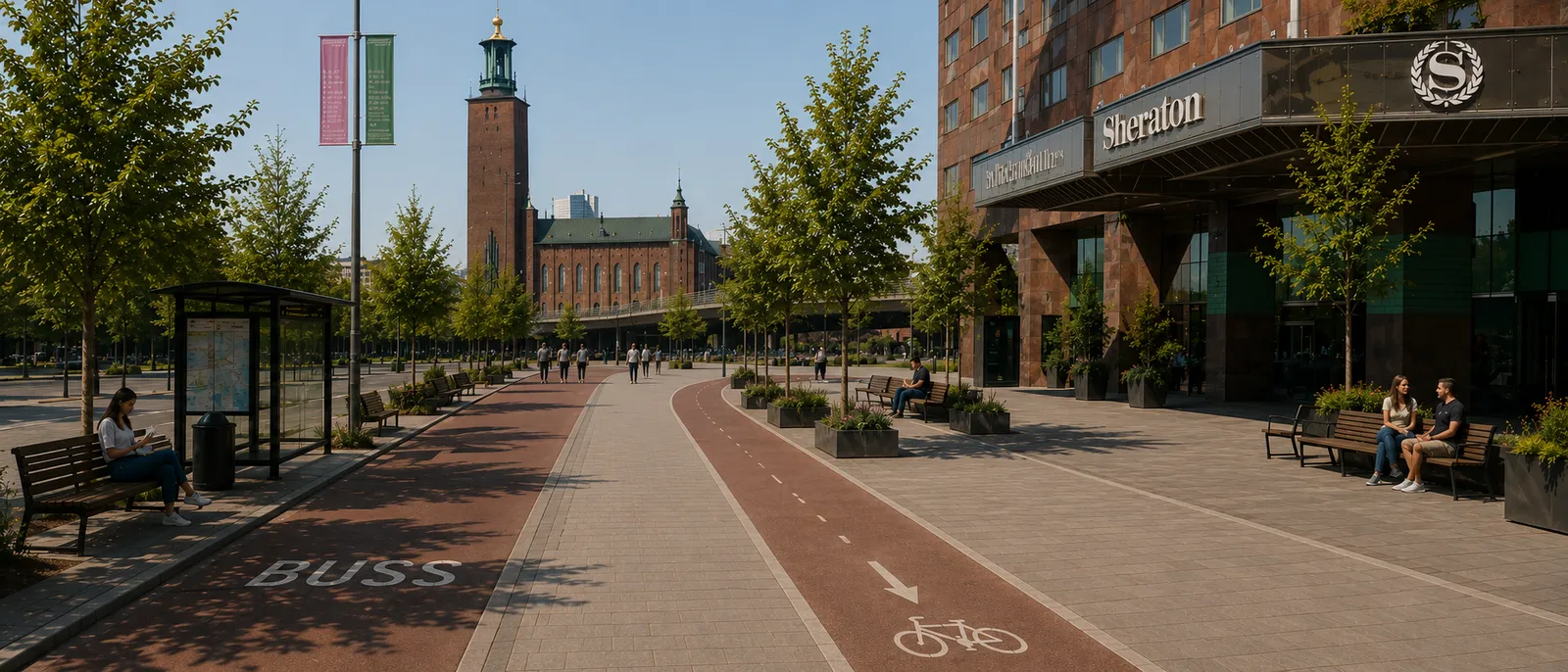
It is hard to imagine what a street can look like when the cars are gone. We are so used to asphalt, parked cars and noise that they feel like laws of nature. But they are not. Drag the slider below and see the difference with your own eyes.
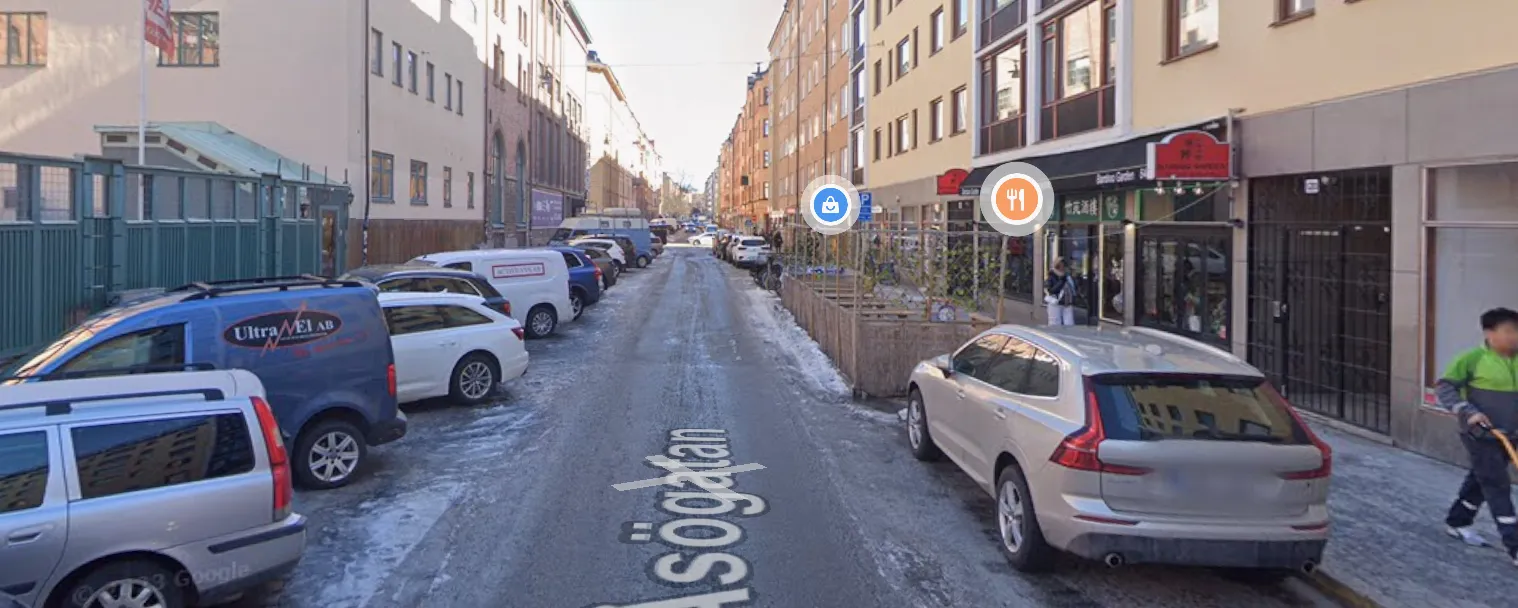
 Today
Car-free
Today
Car-free
Åsögatan
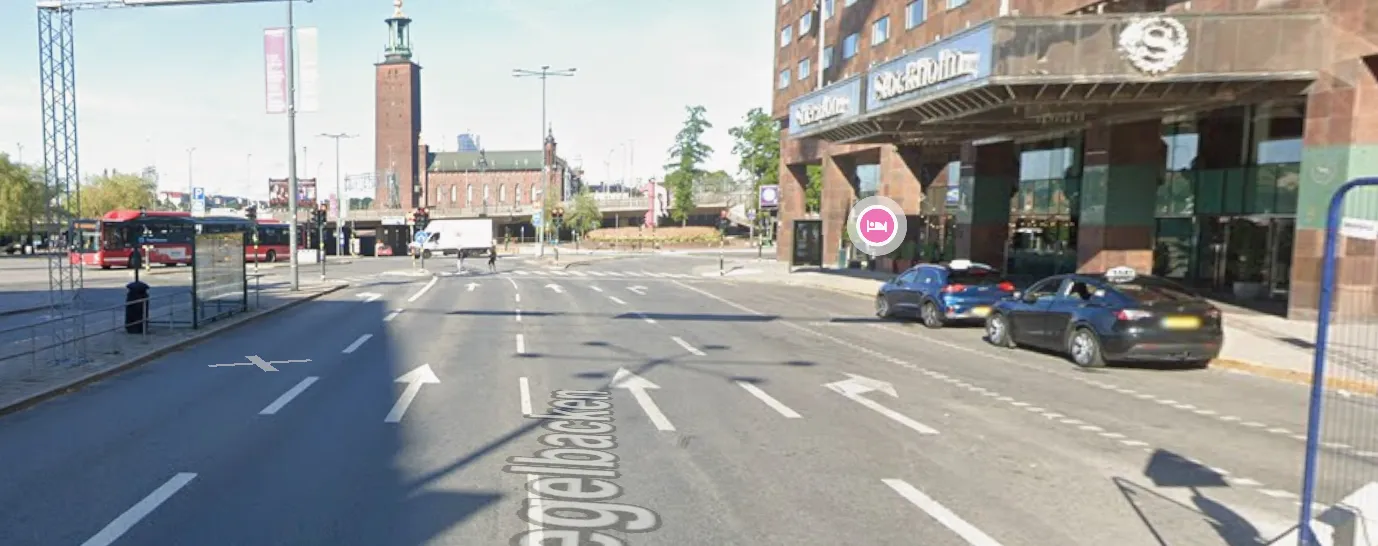
 Today
Car-free
Today
Car-free
Tegelbacken
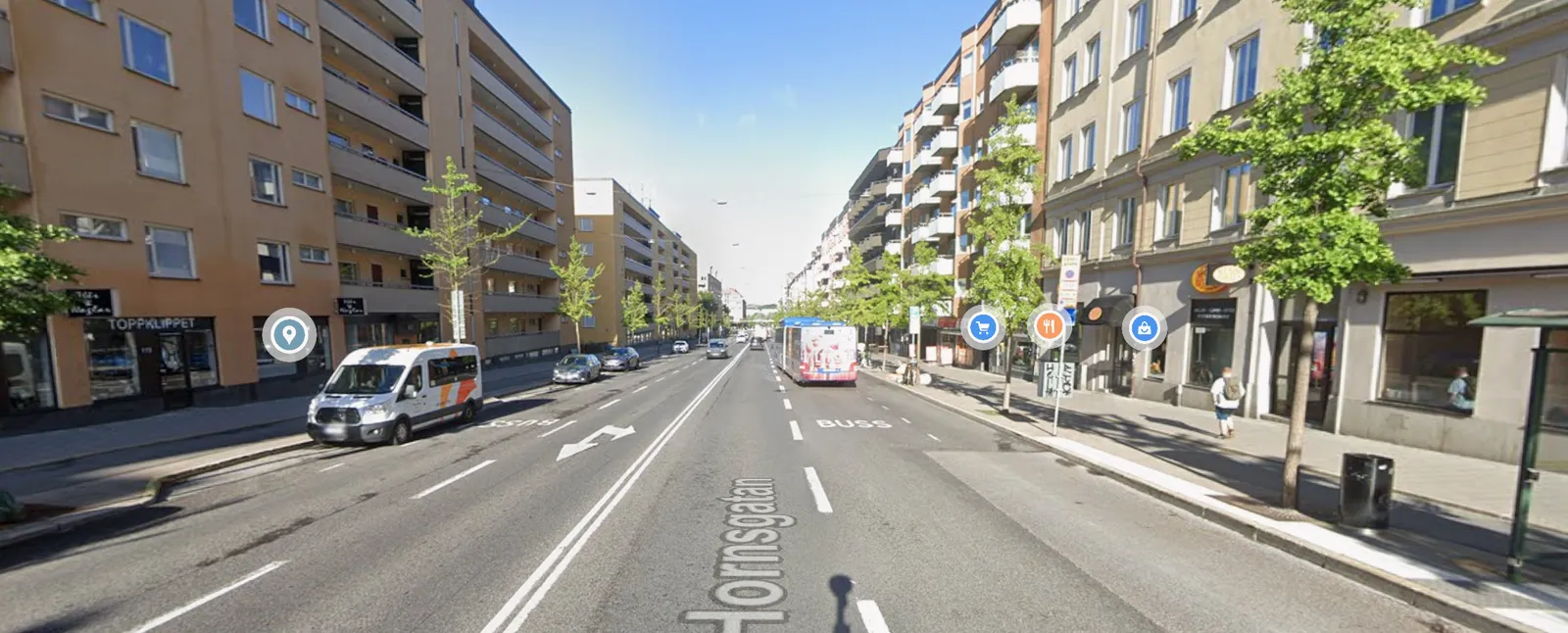
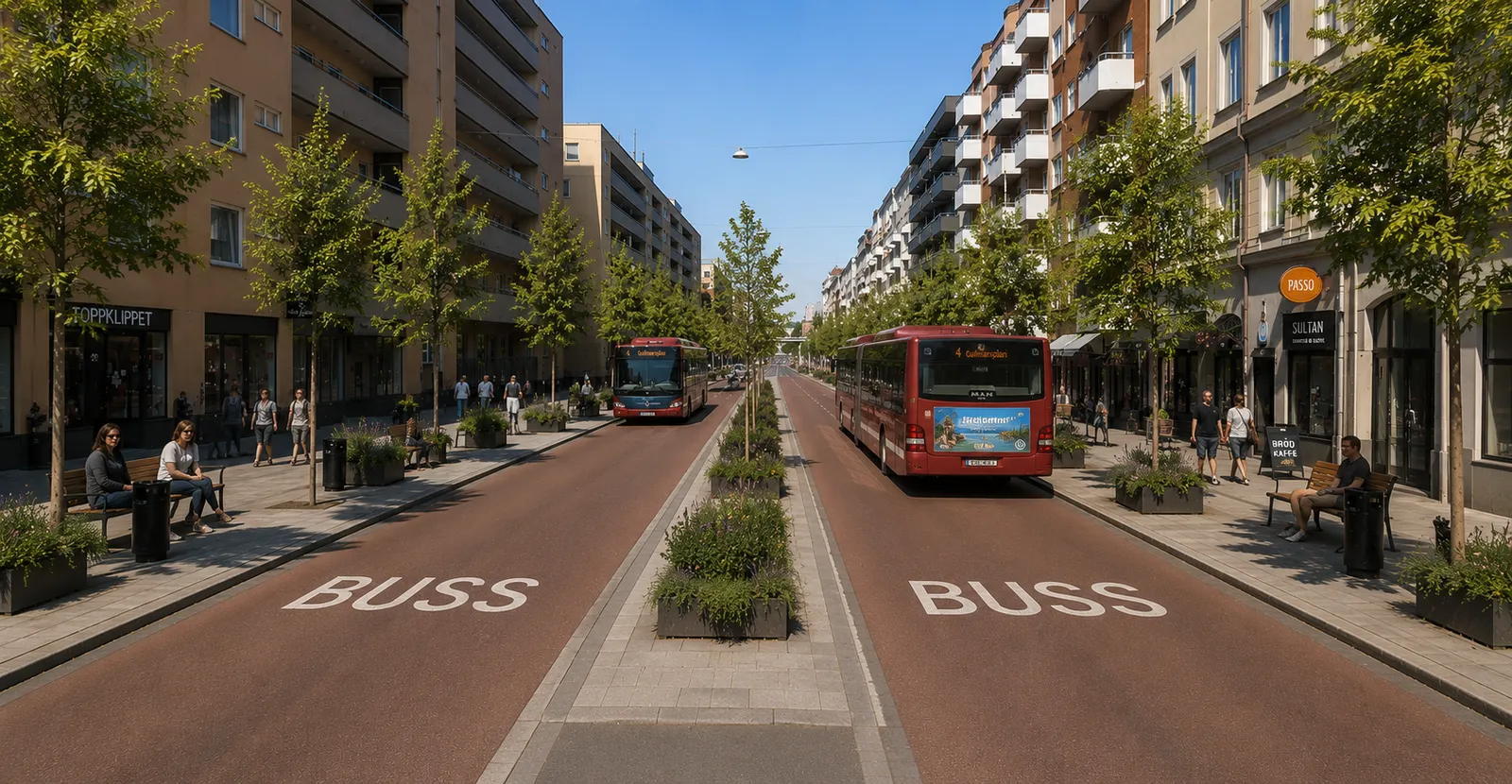 Today
Car-free
Today
Car-free
Hornsgatan
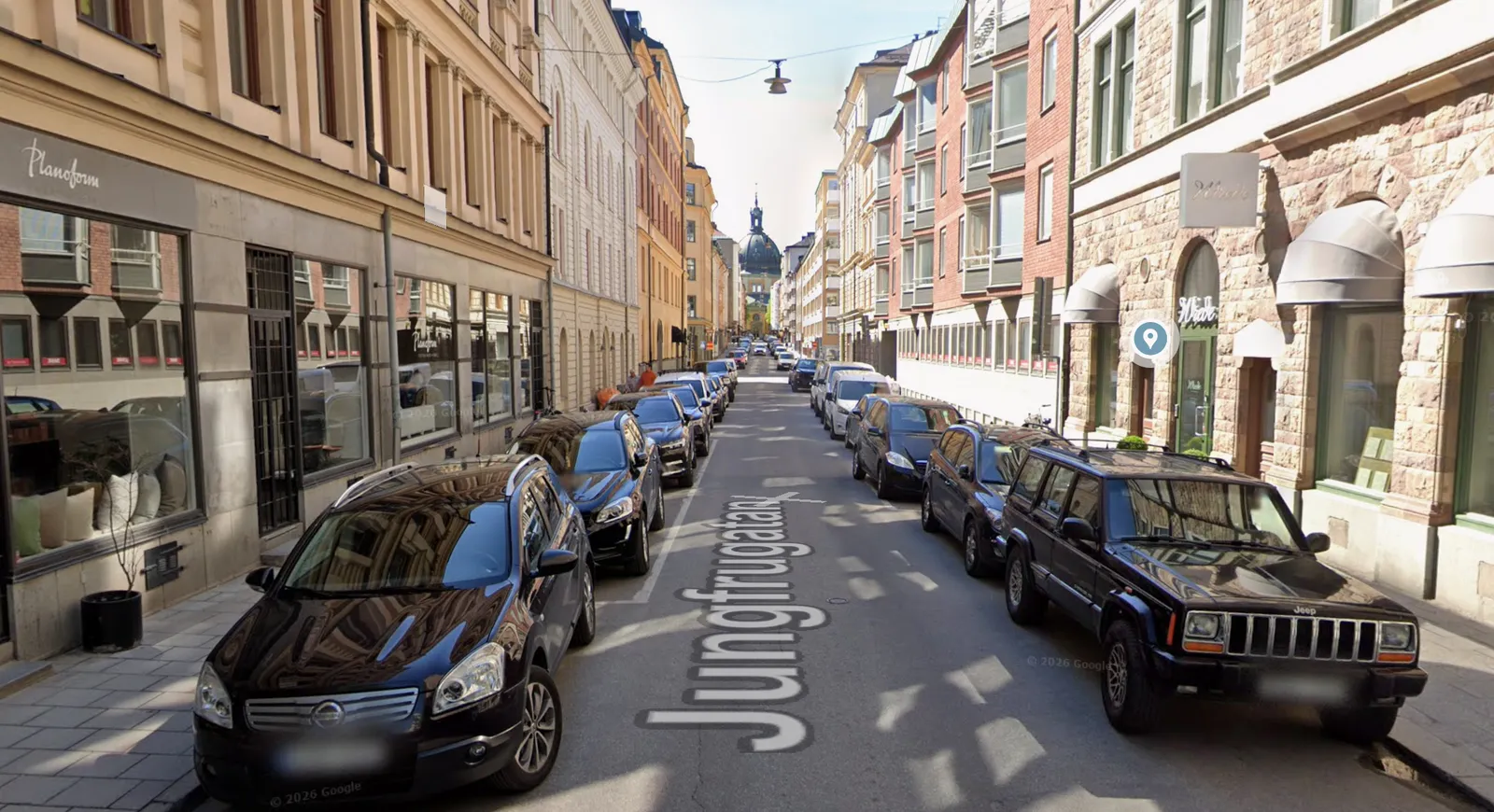
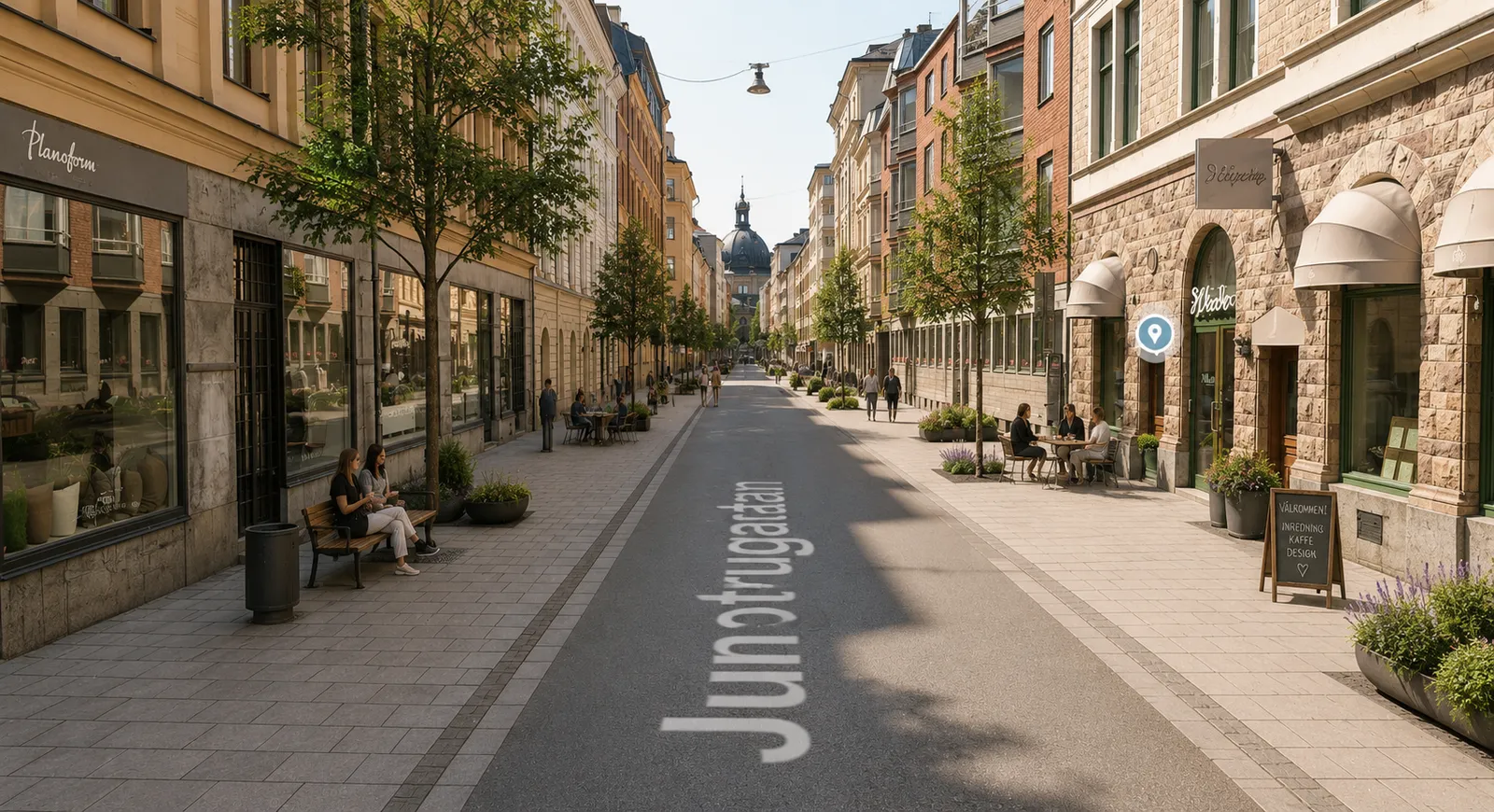 Today
Car-free
Today
Car-free
Jungfrugatan
What fits instead?
A curbside parking space claims about 15 square meters of the street. The car itself is only around 8 square meters. The rest is the space needed to open the door and reverse in. We have written more about how a parking space is measured.
That area fits about ten bicycles. Or an outdoor café with ten guests. A block of curbside parking, easily forty spaces, becomes around 600 square meters, and that is enough for a park where hundreds of people can breathe, play and meet.
At its core, this is about how we want to use our shared spaces. Should our streets mainly be through routes and storage for private vehicles, or living urban rooms?
Read next
Stockholm's Summer Streets 2026: The Champions
Last time, I broke down why summer streets matter. Now, let's rank them, from "decent but could do better" to "urban paradise."
7 min readStockholm's Summer Streets 2026: The Best and the Rest
Each summer, Stockholm gives up its car-oriented, grey and depressing streets and adopts a new image: a people-friendly city.
5 min readRörstrandsgatan
Rörstrandsgatan has led Stockholm's summer street movement since 2016 and is now pedestrian year-round. A guest post by Irena Toljan on what business owners thought before and after, what the safety surveys show, and why there is still too much traffic.
5 min read